


Learn more about our appointment options, locations, referrals, and resources that are at your disposal.

AHN Center for Reproductive Medicine
About the AHN Center for Reproductive Medicine
Choosing to start or grow your family is a big decision. Our caring and experienced reproductive health specialists understand that everyone’s journey to parenthood is different. We'll work with you to customize a treatment plan that helps you have the family you want.
The AHN Center for Reproductive Medicine is located at the North Fayette Health + Wellness Pavilion. Our clinical offices and surgery facility are under one roof to enable coordinated care.
Why choose the AHN Center for Reproductive Medicine?
AHN offers fertility testing and treatment plans, as well as fertility preservation services, to couples of any gender, sex, and sexuality, as well as single-intending parents. This comprehensive care is tailored to each patient’s individualized needs and the family they hope to have.
Our approach
We take the time to get to know you. Understanding your specific challenges and needs allows us to provide you with compassionate care. Because everyone’s situation is unique, we work with you to tailor a treatment that matches your goals and elevates your chances of success with the latest, most advanced technology and surgical techniques.
Our state-of-the-art location
The AHN Center for Reproductive Medicine, located at the North Fayette Health + Wellness Pavilion, offers a team of highly experienced fertility specialists focused on providing compassionate and personalized care. Our clinical offices and outpatient surgery facility are under one roof with a dedicated entrance for fertility patients, making it easier than ever to get the care you need.
Our expertise
Our team of experienced fertility specialists completes three years of specialized training in a fertility-focused fellowship, in addition to standard OB-GYN training. We also have special expertise in the surgical treatment of uterine abnormalities, fibroids, endometriosis, polyps, and other reproductive problems. This dedication to treating complicated issues provides our patients with care and treatment not found in other care settings. The team of reproductive surgeons, urologists, OB-GYNs, family physicians, and other referring physicians are focused on helping you build your family faster.
No matter your reason for seeking fertility services, we help you understand your options and offer a wide range of fertility treatments, including:
- Freezing of eggs, sperm, and embryos (cryopreservation)
- Use of embryo and sperm donations from donation agencies
- Ovulation-stimulating medications
- Hormone treatment
- Assisted reproductive technology (ART), which includes procedures like intrauterine insemination (IUI), intracytoplasmic sperm injection (ICSI), and in vitro fertilization (IVF)
- Semen analysis
- Minimally invasive surgical treatment for various reproductive problems
There are some health conditions that can impact a person’s ability to get or stay pregnant. We can evaluate you for conditions that impact reproductive health, including:
- Endometriosis
- Polycystic ovary syndrome (PCOS)
- Pituitary disorders
- Congenital (present from birth) anomalies of the reproductive tract
- Uterine abnormalities like polyps or fibroids
- Disorders of sexual development
- Cancer of the reproductive system
Reproductive medicine treatment
At AHN, we know that the path to parenthood can look different for different people. The AHN Center for Reproductive Medicine in North Fayette provides each patient with a unique plan that is aimed at helping start or grow your family.
Health conditions impacting fertility
AHN can evaluate you for health conditions that may impact your fertility or ability to get pregnant. If you have concerns that you may need treatment for one of the above conditions, contact your primary care physician or OB-GYN for an initial evaluation of your symptoms.
In some cases, after thorough diagnostic testing and evaluation, a person’s inability to get or stay pregnant doesn’t appear to have a cause. Unexplained infertility is a relatively common diagnosis that affects between 10% and 30% of couples. Even if there are no underlying health conditions that may be causing problems, the specialists at the AHN Center for Reproductive Medicine has assisted reproductive technology (ART) procedures that are designed to help grow or start a family.
There are some health conditions that can impact a person’s ability to get or stay pregnant. These include:
- Endometriosis: This is a painful condition that causes endometrial tissue, which lines the uterus, to grow outside the uterus. Learn more about endometriosis.
- Recurrent pregnancy loss: This condition is diagnosed when a person has two or more pregnancy losses.
- Polycystic ovary syndrome (PCOS): This is a condition where the ovaries produce a hormonal imbalance that can prevent ovulation. Learn more about PCOS care.
- Pituitary disorders: These typically cause hormone levels to be too high or too low.
- Sexually transmitted infections
- Congenital anomalies of the reproductive system: Present since birth, these structural abnormalities can include the absence of the uterus or cervix, duplicate reproductive organs, or septum (wall dividing the uterus and/or vagina).
- Uterine fibroids or polyps: These are growths in the uterus that are not cancerous.
- Disorders of sexual development
Cancer and infertility
Cancer and its treatments can significantly impact fertility in those assigned female at birth. How it affects your fertility depends on several factors, including the type and stage of cancer, the type of treatment, and the patient's age and overall health. Before starting cancer treatments, it is important to speak with your doctor about our fertility treatments and services. Our Gynecologic Oncology Division provides compassionate care and high quality treatments to patients with gynecologic cancers, including:
- Uterine/endometrial cancer: Often requires a hysterectomy, resulting in infertility. Learn more about uterine cancer treatment.
- Cervical cancer: Treatment may involve procedures that affect the uterus or cervix. Learn more about cervical cancer treatment.
- Ovarian cancer: Can require removal of the ovaries, leading to infertility. Learn more about ovarian cancer treatment.
Salvaging fertility after cancer diagnosis
Every cancer warrants a personalized treatment plan, which is especially important in the discussion of maintaining fertility. Precancer changes of the uterus (endometrial complex atypical hyperplasia, endometrial intraepithelial neoplasia) and uterine cancer cases do not always warrant a hysterectomy. Medical therapy with progesterone treatments may be an option, with the goal to avoid hysterectomy. Often, these patients have a multidisciplinary team consisting of a primary OB-GYN; reproductive, endocrinology, and infertility (REI) specialist; and gynecologic oncologist.
While gynecological cancers have the most direct impact on reproductive organs, more common cancers of reproductive-age females can also adversely impact fertility such as breast, colorectal, melanoma, and thyroid cancers. Before cancer treatment, a consultation with one of our REI specialists can help guide your treatment plan prior to the start of your cancer therapy.
Infertility diagnostic testing
We run a variety of tests to find answers about what might be impacting fertility and move forward with the best treatment plan. These may include:
- Blood tests to evaluate levels of:
- Anti-Müllerian hormone (AMH): This is the best way to predict the quantity of eggs available for fertilization (also known as ovarian reserve).
- Estradiol (E2): This is the main form of estrogen in your body during your reproductive years.
- Follicle-stimulating hormone (FSH): This hormone is released by the brain to make ovarian follicles grow, develop, and produce a mature egg.
- Luteinizing hormone (LH): This hormone is produced by the pituitary gland and triggers ovulation (when the ovaries release a mature egg) at high enough levels.
- Thyroid stimulating hormone (TSH): This hormone regulates metabolism and can impact fertility if it is too high or too low.
- Hysterosalpingography (SHG): This is a test that uses dye and an X-ray to look at the uterus, detect irregularities, and to see if the fallopian tubes are open.
- Saline Sonohysterogram (SIS): An ultrasound-based test that looks at the uterus to detect irregularities and to see if the fallopian tubes are open.
- Semen analysis: A lab test that examines a semen sample under a microscope to check count, activity (motility), and shape (morphology).
Fertility treatments and services
Our caring and experienced reproductive health specialists understand that everyone’s journey to parenthood is different. No matter your situation, we help you understand your options and offer a wide range of treatments, including:
- Freezing of eggs, sperm, and embryos (cryopreservation)
- Use of embryo and sperm donations from donation agencies
- Ovulation-stimulating medications
- Hormone treatment
- Assisted reproductive technology (ART) procedures:
- Intrauterine insemination (IUI)
- Intracytoplasmic sperm injection (ICSI)
- In vitro fertilization (IVF)
- Semen analysis
- Minimally invasive outpatient surgery on-site at the North Fayette Health + Wellness Pavilion
Fertility testing and treatment: What to expect
The AHN Center for Reproductive Medicine specializes in fertility-related treatments and services for people who want to become parents now or in the future. We offer family-building services for couples of any gender, sex, and sexual orientation, as well as single-intending parents. Not sure if you qualify for fertility testing and treatment? We’ll help you determine if this is the right path for you.
If you have questions about your reproductive health, need more information on a procedure, or want extra support, our team of specialists will be there to support you every step of the way. Our glossary of reproductive system conditions, diagnostics, and fertility treatments provides helpful information as well.
When to seek fertility testing and treatment
Heterosexual couples in which the female partner is younger than 35 years old who have been attempting to conceive for 12 months without success should seek a referral to a reproductive endocrinologist. If the female partner is older than 35 years old, the couple make seek a fertility consultation after six months of regular, unprotected intercourse.
There are situations in which an immediate fertility referral is warranted:
- If you are older than 40 years of age
- If you have very irregular or very painful menstrual periods
- If you have uterine fibroids
- If you have known, or suspected, abnormal fallopian tube function (history of a tubal ligation; blocked tube(s) on imaging; ectopic pregnancy; or Pelvic Inflammatory Disease)
- If you have known, or suspected, male factor infertility
- If you know you want to use donor eggs or donor sperm
- If you are using a surrogate
- If you are part of a same-sex couple, a single-intending parent, or a transgender individual wanting to preserve fertility
It can feel frustrating to not be able to build your family how and when you want. Before deciding whether to seek treatment with a fertility specialist, you can learn more about what may be impacting your ability to get or stay pregnant. No two situations in fertility care are the same. You may need to try multiple treatments before finding success, and treatment may take longer than you expect. Our team will work with you to find the best path to achieve your family-building goals.
Getting started with fertility treatment
Going through fertility treatment can be an overwhelming and complicated process. Whether you’re just getting started on this journey or know what services you need, the AHN Center of Reproductive Medicine is here to help you understand your options and help you build the family you want. You can organize the process into three main steps:
- Before starting fertility treatment, we strongly recommend you have an established relationship with an OB-GYN. Your OB-GYN will manage any problems that come up during treatment and make sure you are current with preventive tests and exams.
- Because everyone’s situation is unique, it may take some time to determine the best course of treatment that helps you achieve your goals. At your initial appointments, we run a variety of tests to learn more about your options and advise the best path forward.
- Treatment may include ovulation-stimulating medications, adjustments to hormone levels, minimally invasive outpatient surgery, or assisted reproductive technology procedures.
No matter where you are in this journey, we take the time to get to know you and your family and understand your specific challenges and needs in order to provide you with compassionate care.
Fertility specialists
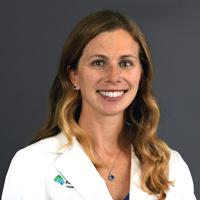
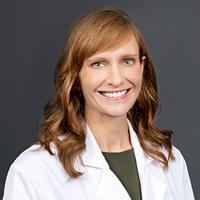
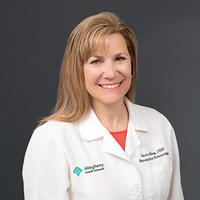
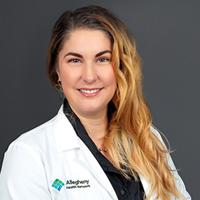
Our team of experienced fertility specialists completes a four-year residency program in Obstetrics & Gynecology followed by three years of specialized training in a fertility-focused fellowship. Each of our physicians is board certified (or board eligible) in both OB-GYN and Reproductive Endocrinology and Infertility. We bring this expertise to a dedicated team of reproductive surgeons, urologists, OB-GYNs, family physicians, and other referring physicians that helps you build your family faster.
Medical Director
Reproductive Endocrinologists
Reproductive Endocrinology/Infertility

Reproductive Endocrinology/Infertility
Reproductive Endocrinology/Infertility
Nurse Practitioners
Reproductive Endocrinology/Infertility
Obstetrics and Gynecology
How to make an appointment
In most cases, you need to make an appointment with your primary care physician or OB-GYN to discuss your health concerns and their affect on your fertility. They will help you determine if and when to seek fertility treatment at the AHN Center for Reproductive Medicine. When it is time for that next step, call 412-847-1166 to schedule a new patient visit.
Current patients who need to cancel or reschedule an upcoming appointment, please call 412-847-1166 at least 24 hours before you are scheduled.
Our location
Located in the new North Fayette Health + Wellness Pavilion, the AHN Center for Reproductive Medicine provides comprehensive fertility care with clinical offices, an outpatient surgery facility, and a dedicated entrance for fertility patients.
AHN Center for Reproductive Medicine
North Fayette Health + Wellness Pavilion
200 Quinn Drive
Pittsburgh, PA 15275
GET DIRECTIONS
Connect with MyChart
The AHN Center for Reproductive Medicine uses the AHN MyChart patient portal to send important information related to your care. You can also use MyChart to ask nonurgent questions, request prescription refills, or pay a medical bill for any of your AHN health care providers. You can sign up for a free MyChart account with an access code from your provider or without one. Once you’ve created an account, download the MyChart app for on-the-go convenience.
Clinical trials and research
AHN is a pioneer in research and participates in clinical trials of new medical therapies that are open for patients who qualify and wish to participate. Patients are screened for consideration with ongoing clinical trials at every stage of their treatment.
If you would like to participate in a clinical trial and help our innovative team discover groundbreaking cancer solutions, ask your doctor if you’re eligible to participate in one. Find currently active clinical trials that are open for participation.
The Foundation for Women’s Cancer provides info, grants, and gynecological cancer clinical trial information.
What is a clinical trial?
Clinical trials are studies that try to answer questions about new ways to treat our patients with medications, radiation, or surgical techniques. For example, previous trials have shown how new methods of treatment improve survival and quality of life and reduce the risk of cancer returning.
You participate in a clinical trial only if you volunteer to do so and meet criteria for inclusion in the study, and you can stop participating in a trial at any time.
Who can join a clinical trial?
The plan for the trial, called a protocol, explains what the trial will do and how the study will be done. Based on the questions the research is trying to answer, each clinical trial protocol outlines specific criteria necessary to be eligible to join the trial.
Common criteria for entering a trial are:
- Having a certain type of medical issue.
- Having received a certain kind of therapy in the past.
- Being in a certain age group.
Federal rules help ensure that clinical trials are run in an ethical manner, with your rights and safety protected. It’s to ensure that you’re not put at increased risk by participating in the trial, and that the results of the study are accurate and meaningful.
Refer your patient to an AHN specialist
There are two ways for medical professionals, who are not a part of Allegheny Health Network, to refer their patients to an AHN specialist and request their first appointment. You can:
- Call (412) DOCTORS 412-362-8677.
- Go to Find Care to find the right AHN specialist and the most convenient location. Then refer your patient, provide relevant patient details, and request an appointment directly from the doctor's profile.
For more information about referring your patient to an AHN specialist, read the Independent Physician Referral FAQs.
After referring your patient
Once your patient is receiving care from an AHN specialist, you can view their test results, see their treatment plan, follow their treatment progress, and collaborate with our team using the EpicCare® Link™ platform.
If you are new to EpicCare Link, or need to request your own EpicCare Link account, read: EpicCare Link for Patient Follow-up, for user instructions and new account request forms.
When EpicCare Link is not an option for a patient's AHN medical records
If you can’t access your patient's AHN test results through the EpicCare Link platform, your patient will need to complete and submit the correct AHN Medical Records Release form, based on their state of residency. Support your patient’s request by downloading the correct medical records release form for them:
AHN Medical Records Release Form for New York state residents
EpicCare® is a registered trademark of Epic Systems Corporation and used with permission.
EpicCare® Link™ is a trademark of Epic Systems Corporation and used with permission.