



Learn more about our appointment options, get a second opinion, find a convenient location, request a referral, and get additional support resources.

AHN Hypertrophic Cardiomyopathy Program
Hypertrophic cardiomyopathy (HCM) is a serious heart condition that sometimes makes it harder for the heart to pump blood efficiently to the rest of the body.
Hypertrophic means enlarged or thickened and is often used to describe a part of the body that has grown larger than it should. Cardiomyopathy means a disease or disorder of the heart muscle.
There are several different types of HCM, including apical HCM, reverse-curve HCM, basal HCM (most common type), and midventricular HCM (uncommon).
Learn more about hypertrophic cardiomyopathy, including the different types of HCM, how to recognize symptoms, and how to understand your risk factors.
Top cardiac expertise
The AHN Hypertrophic Cardiomyopathy Program offers dedicated specialists who are trained in multiple subspecialties and have access to the latest diagnostic techniques and treatments, including both medical and surgical interventions for HCM.
Our patients benefit from:
- The collaboration of our experienced multidisciplinary team, who partners with you to manage your HCM.
- Local access to specialized HCM diagnostics and treatment right here in western Pennsylvania at the Allegheny General Hospital Cardiovascular Institute.
- The convenience of arranging same-day visits with multiple providers and diagnostic testing.
The AHN Hypertrophic Cardiomyopathy Program includes radiologists, cardiologists, interventional cardiologists, surgeons, electrophysiologists, and imaging cardiologists who work together to tailor HCM treatment depending on the unique needs of each patient.
Recognized for excellent patient care
In 2023, AHN was recognized as a Center of Excellence by the Hypertrophic Cardiomyopathy Association (HCMA), a patient-focused organization that ensures people with HCM have access to state-of-the-art, comprehensive care. This recognition reflects our patient-centered approach and high-quality care we provide to patients and their family members.
The care provided by the multidisciplinary team of specialists at the AHN Cardiovascular Institute Hypertrophic Cardiomyopathy Program holistically addresses patients’ HCM symptoms to help them lead the lives they want.
Hypertrophic cardiomyopathy (HCM) symptoms
This condition can affect everyone differently, but generally causes the following symptoms:
- Shortness of breath, especially during exercise.
- Tightness, pressure, squeezing, or pain in the chest.
- Fatigue, which means feeling tired easily.
- Feeling dizzy or lightheaded, which happens because of reduced blood flow to the brain.
- Palpitations, which mean your heartbeat is rapid or irregular.
- Fainting during exercise or at rest.
- Sudden cardiac arrest.
Sometimes, people with HCM do not have any symptoms. If someone in your family has been diagnosed with HCM, you may have an increased risk for developing HCM.
Because HCM symptoms are unpredictable, it’s best to work with an experienced team of specialists who can help determine your risk and create an effective treatment plan if needed.
If you think you have HCM
Early diagnosis and treatment are very important for managing HCM. If you are experiencing any of the potential symptoms of HCM, schedule an appointment with your primary care provider (PCP) right away. Your doctor will perform a physical exam and may order additional tests like an electrocardiogram (ECG) or an echocardiogram to determine if you need to see a specialist.
If you do not have a PCP, you can find one near you and schedule an appointment to talk about your symptoms, family medical history, and next steps.
How HCM is diagnosed
Our team of specialists use state-of-the-art diagnostic tests to determine what kind of HCM you have and how severe your heart condition is. These tests also help us understand your unique needs so we can give you the best possible treatment.
To diagnose and manage HCM, we use a variety of tests and procedures to look at the following heart functions:
Electrical activity
- Electrocardiogram (ECG/EKG), which can reveal characteristic abnormalities like left ventricular hypertrophy (LV) as well as issues with your heart’s electrical impulses.
- Holter monitor, which measures heart rhythms over a longer period (up to two weeks) and can detect arrhythmias and other electrical abnormalities, help monitor treatment effectiveness, and identify potential complications.
Heart structure and current functional ability
- Resting echocardiogram with provocative testing* to get a detailed view of your heart’s structure and function, including your heart valve function and heart wall motion, often performed while observing your heart’s response to specific breathing maneuvers.
- Cardiac magnetic resonance imaging (CMR) to provide precise measurements of hypertrophy (thickening of the heart muscle), fibrosis (scar tissue), and HCM severity to determine your long-term disease outlook. This test can also track changes in your heart structure and function over time, helping us adjust your treatment plan as needed.
- Exercise stress echocardiogram, which combines stress testing with echocardiography to look at your heart function under stress or exertion.
Ability to respond to stress and exertion
- Stress testing with or without maximal exercise oxygen consumption to reveal potential blood flow or electrical activity problems. This is used to help determine the severity of HCM and guide our treatment decisions, including medications or lifestyle changes.
- Cardiac catheterization with provocative testing to take direct measurement of heart pressures and blood flow under stress. This is used in select cases to assess the severity of an obstruction, guide our treatment strategy, and determine if you need surgical intervention.
Determining your genetic risk for HCM
We perform genetic testing to identify specific gene mutations associated with HCM, which can confirm your diagnosis and help predict disease progression or help predict your risk for developing HCM in the future.
We may also perform a sudden cardiac death (SCD) risk stratification to evaluate your likelihood of sudden cardiac death based on various factors.
If you have a genetic link to HCM, we will also screen your children and/or siblings to determine their risk for developing HCM.
Hypertrophic cardiomyopathy treatment and management
Once you have an HCM diagnosis, we’ll work with you and your referring physician to determine the best treatment plan for you. This may include:
- Medical therapy: Prescription medications can lower outflow obstruction and treat arrhythmias.
- Antiarrhythmic therapy: Surgically implanted devices such as a pacemaker or implantable cardioverter-defibrillators (ICD) send electrical impulses to maintain a normal heart rhythm and protect patients from sudden cardiac death.
- Alcohol septal ablation: This catheter-based technique, performed in the catheterization laboratory, can shrink some of the thickened heart muscle to reduce the left ventricular outflow obstruction.
- Transaortic or transapical septal myectomy: We use this open-heart surgical technique to shave off some of the thickened heart muscle and reduce the left ventricular outflow obstruction.
- Mitral valve repair or replacement: Using minimally invasive surgery, we repair mitral valve regurgitation (leaky valves) or replace with a biologic or mechanical valve. This helps return your heart to its maximum possible function.
- Left ventricular assist device (LVAD): AHN has pioneered the development of mechanical circulatory support to help the heart promote circulation. LVAD can help improve survival and quality of life for individuals with heart muscle disease, including HCM.
- Heart transplant: In rare circumstances, some people with HCM may need a heart transplant.
Follow-up support after HCM treatment
After you are treated for HCM, you will continue to see your doctors to keep track of your progress and help your recovery stay on track. We encourage you to start cardiac rehab, which will give you a monitored, customized exercise program. We also offer education and support to manage heart disease through exercise, diet, smoking cessation, integrative medicine, and stress reduction.
*
While provocative testing and stress testing are often used interchangeably, they are not the same.
Provocative testing refers to any test designed to get a specific response or symptom. This helps identify heart abnormalities that may not be present at rest.
Stress testing is a type of provocative testing that specifically assesses the heart’s response to exertion. This helps evaluate the heart’s ability to handle an increased workload.
Meet the AHN Hypertrophic Cardiomyopathy specialists
Our team includes providers from many medical specialties who work together to diagnose, treat, and manage your HCM. This multidisciplinary approach ensures that all patients receive comprehensive, personalized, and coordinated care, leading to better health outcomes and quality of life.
The HCM program is led by:
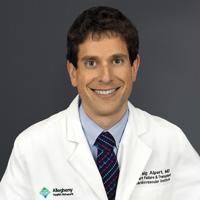
Director, Hypertrophic Cardiomyopathy Program
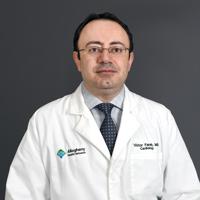
Director, Hypertrophic Cardiomyopathy Imaging – CMR

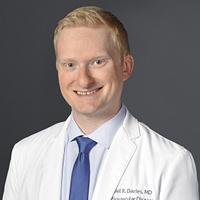
Rachel Hughes-Doichev, MD, FASE
Director, Echocardiography
Laboratory
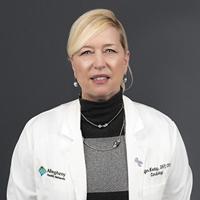
Jennifer H. Keeley, DNP, ANP-BC
Hypertrophic Cardiomyopathy Nurse Practitioner
And includes:
Interventional cardiologists
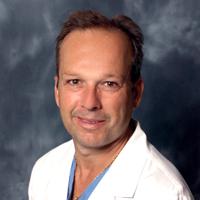
Interventional Cardiology

Interventional Cardiology
Electrophysiologists

Electrophysiology
Support staff
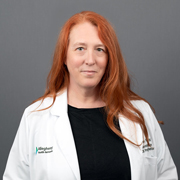
HCM Program Coordinator

Supportive Care
Nutrition
A multidisciplinary team of specialists
Your HCM care team includes providers from many different specialties. Here’s how they all work together:
- Cardiologists lead the team and diagnose HCM, develop treatment plans, and coordinate your care.
- Cardiac MRI specialists use high resolution magnetic resonance images (MRI) of the heart to determine the severity of your HCM, guide treatment plans, and monitor your progress.
- Echocardiologists provide essential imaging information to help guide diagnosis and treatment.
- Electrophysiologists address arrhythmias, a common complication of HCM.
- Interventional cardiologists perform minimally invasive procedures to open narrowed or blocked arteries in the heart if needed.
- Dietitians provide nutrition counseling to optimize your heart health.
- Licensed social workers offer emotional support and help you navigate the challenges of living with HCM.
- Program coordinators welcome new patients and provide support throughout treatment, order all diagnostic testing and schedule follow-up visits, and handle all medication refill requests.
Our certifications
You may see letters after your doctor’s name other than MD. Our HCM specialists often have additional certifications due to their extensive experience and dedication to excellent patient care. We’ll help you understand the medical specialties and certifications our HCM program team has and how they relate to your care.
- FAAC (Fellow of the American Academy of Cardiology) recognizes a provider’s commitment to advancing cardiovascular health and signifies their dedication to improving patient care, promoting research, and advocating for policies that benefit heart health.
- FACC (Fellow of the American College of Cardiology) is a prestigious certification awarded to cardiologists who have demonstrated advanced knowledge, skills, and experience in the field.
- FASE (Fellow of the American Society of Echocardiography) is a certification specifically for cardiologists who specialize in echocardiography, a noninvasive imaging technique used to assess the structure and function of the heart.
- FHRS (Fellow of the Heart Rhythm Society) means that your doctor is a recognized Society member who has advanced training and certification as well as demonstrated a commitment to the research and treatment of heart rhythm disorders.
When a provider holds these certifications and designations, it means they have specialized knowledge and experience in the diagnosis and treatment of advanced heart conditions like HCM. They ensure that cardiologists meet high standards of practice and are committed to providing the best possible care to their patients.
Knowing who to call to make the correct appointment depends on whether you have a current hypertrophic cardiomyopathy (HCM) diagnosis. The AHN Hypertrophic Cardiomyopathy Program offers the following appointment scheduling options for:
Those not diagnosed with HCM
If you do not have a current HCM diagnosis but are concerned about your risk factors due to family history or other health issues, you can make an appointment with a general cardiologist to talk about your concerns and next steps.
To get started, call (412) DOCTORS (412) 362-8677 to schedule your appointment.
You can also find an AHN cardiologist near you and schedule an appointment to talk about your symptoms, family medical history, and next steps.
Those diagnosed with HCM who want a second opinion
If you already have an HCM diagnosis and are looking for a second opinion from the AHN HCM Program about your diagnosis or treatment plan, you can schedule a consultation with our HCM Program Coordinator by calling (412) 359-4869.
Those who need to schedule treatment or a procedure
To schedule an appointment for HCM treatment or an HCM procedure, call our HCM Program Coordinator at (412) 359-4869. All appointments will be scheduled at Allegheny General Hospital in Pittsburgh.
Allegheny General Hospital
320 East North Avenue
Pittsburgh, PA 15212
GET DIRECTIONS
What to expect at your first appointment
When you schedule an appointment with the Hypertrophic Cardiomyopathy Program, our nurses will talk with you about any additional testing that you may need. If you need imaging on the day of your appointment, your doctor may have you go to radiology or echocardiology beforehand to get scans of your heart.
At your first appointment, your care team will:
- Thoroughly review your medical history.
- Order advanced imaging to diagnose, monitor, and determine how complex your condition is.
- Develop a personalized care plan that addresses your specific condition and personal goals.
- Discuss long-term management plans for ongoing care. This includes providing information on genetic testing, counseling, and imaging for family members, so we can track any inherited conditions carefully.
If your condition is complex or you will need surgical treatment, you’ll benefit from all our specialists weighing in on your proposed treatment plan to decide the next best course of action.
At every appointment, your care team will use the most advanced technology and treatment options available, incorporating ongoing research from clinical trials and continuing education from our specialists.
The AHN Cardiovascular Research Institute is established on more than 100 years of innovation with diverse areas of focus, including research for the latest heart disease treatments and cardiac technology. Our qualified team and hypertrophic cardiomyopathy (HCM) specialists take pride in using state-of-the-art devices, technology, and therapies to help revolutionize care for cardiovascular disease.
What is a clinical trial?
Clinical trials are special research opportunities that explore medical treatments, strategies, or devices to ensure they’re safe and effective for human use.
Active cardiovascular clinical trials
By prioritizing research and innovation, our physicians and patients are engaged in more than 100 national and international clinical trials. Participating in these trials gives AHN patients special access to some of the newest potential treatment options for cardiovascular disease and hypertrophic cardiomyopathy. Participation in clinical trials is based on meeting eligibility criteria.
To express interest in a clinical trial or to learn more about research opportunities, check out our active cardiovascular clinical trials.
Refer your patient to an AHN specialist
Non-AHN providers can submit a referral by calling 844-MD-REFER 844-637-3337.
For more information about referring your patient to an AHN specialist, read the Independent Physician Referral FAQs.
After referring your patient
Once your patient is receiving care from an AHN specialist, you can view their test results, see their treatment plan, follow their treatment progress, and collaborate with our team using the EpicCare® Link™ platform.
If you are new to EpicCare Link, or need to request your own EpicCare Link account, read: EpicCare Link for Patient Follow-up, for user instructions and new account request forms.
When EpicCare Link is not an option for a patient's AHN medical records
If you can’t access your patient's AHN test results through the EpicCare Link platform, your patient will need to complete and submit the correct AHN Medical Records Release form, based on their state of residency. Support your patient’s request by downloading the correct medical records release form for them:
AHN Medical Records Release Form for New York state residents
EpicCare® is a registered trademark of Epic Systems Corporation and used with permission.
EpicCare® Link™ is a trademark of Epic Systems Corporation and used with permission.