

Learn more about our appointment options, get a second opinion, find a convenient location, request a referral, and get additional support resources.

Cardiac Electrophysiology Division

Mario Lemieux Center for Heart Rhythm Care at AHN
AHN’s Electrophysiology Division is named after a Pittsburgh hockey great who is now devoted to helping those with heart rhythm disorders. Established in May 2024, the Mario Lemieux Center for Heart Rhythm Care at AHN provides cardiac electrophysiology care to patients with heart rhythm disorders.
In 2005, Lemieux was diagnosed with atrial fibrillation (AFib), the most prevalent heart rhythm disorder in the country. Over the years, his foundation has helped support the AHN Cardiac Electrophysiology Program further advance research and transform the standards of care for complex cardiovascular conditions. The Mario Lemieux Center for Heart Rhythm Care further strengthens our nationally recognized cardiac electrophysiology program.
What does electrophysiology do?
The heart has an electrical system that is responsible for providing the rhythmic instructions of when the heart muscle should squeeze and relax, ensuring blood is pumped efficiently and consistently through your body. Electrophysiology is like having a specialized electrician for your heart. Just as an electrician diagnoses and fixes wiring problems in your house, an electrophysiologist (a heart rhythm specialist) studies and treats the electrical system of your heart.
Your heart has its own natural electrical signals that tell it when to beat. When these signals do not function as they should, your heart can beat too fast, too slow, or irregularly. A cardiac electrophysiologist plays a crucial role in both diagnosing and treating various heart conditions, particularly those related to abnormal heart rhythms (arrhythmias).
How long does a cardiac electrophysiology appointment take?
The duration of a cardiac electrophysiology (EP) appointment can vary significantly depending on the type of appointment and the procedures involved.
An initial consultation with an electrophysiologist may take between 30 and 60 minutes. During this initial visit, you will meet with the electrophysiologist to discuss your symptoms, medical history, and any previous tests. The doctor will explain potential diagnoses and treatment options. This is primarily a discussion and assessment appointment.
Treatment appointments can take one to four hours depending on the patient’s needs.
What to expect at an electrophysiology appointment?
For your initial appointment, we need your medical records, including test results from other physicians. We will do a thorough examination, and you can ask questions. Once we have a treatment plan developed for you, our office can schedule additional time for tests, procedures, or changes in medicine. At AHN, your appointment is focused on creating a comprehensive and tailored approach to your care, ensuring your concerns and needs are heard and met.
Why choose the Mario Lemieux Center for Heart Rhythm Care at AHN?
Our team of experienced cardiologists and cardiac electrophysiologists use sophisticated diagnostic equipment and the most up-to-date technology to pinpoint the cause of your arrhythmia. This critical information guides your team of heart rhythm specialists as they develop the most effective treatment plan for your unique heart problem.
Our specialists offer:
- Depth of expertise: You receive care from some of the most experienced heart rhythm specialists, or electrophysiologists, in western Pennsylvania. Our team performs more than 2,000 electrophysiology procedures every year. This level of expertise leads to improved health outcomes and tailored care that is focused on each individual patient’s needs.
- Care for a range of problems: We diagnose and treat all types of arrhythmias, from common to the complex. We’re experts at providing care to patients who haven’t had success with other treatments. If eligible, you may choose to participate in clinical trials for new therapies or devices via the Cardiovascular Research Institute. Your AHN care team can help identify which opportunities may be right for you.
- Zero-fluoroscopy ablation: We’re a national leader in using 3D mapping and ultrasound instead of traditional radiation (X-ray) to perform specialized procedures to treat various arrhythmias. This process minimizes your exposure to radiation during the procedure.
- Partnerships with referring physicians: By working with your referring physician, we can ensure you receive seamless care, from diagnosis to ongoing treatment and management. Our ultimate goal is to get you back to enjoying life as soon as possible. This multidisciplinary approach helps bridge any potential gaps in care.
Our clinical electrophysiology team can offer the latest technologies, applicable clinical trial access, and advanced therapies, often earlier than other centers in the U.S. Because of our experience, continuing innovation, advanced therapies, and focus on patient safety, physicians from across the country come here to learn our diagnostic and treatment techniques.
Cardiac electrophysiology treatments
Cardiac electrophysiology focuses on the diagnosis and treatment of heart rhythm disorders, also called arrhythmias. To find the source of an arrhythmia, cardiac electrophysiology uses minimally invasive diagnostic tests to study the electrical system that controls your heartbeat. The goal is to diagnose and treat the arrhythmia to restore a normal heart rhythm.
Types of heart rhythm disorders
We treat patients with all types of heart rhythm disorders. We are also a care referral center for patients who haven’t had success elsewhere and for patients who have more complex heart rhythm disorders. Some of the most common rhythm disorders we treat include:
- Atrial fibrillation (AFib): This is the most common arrhythmia characterized by irregular and rapid heart beating. If left untreated, it can increase the risk of stroke.
- Bradycardia: This is a condition where the heart beats slower than normal.
- Premature atrial contractions (PACs): PACs are extra heartbeats originating in the atria (upper chambers). PACs can be asymptomatic or cause heart palpitations.
- Premature ventricular contractions (PVCs): PVCs are extra heartbeats originating in the ventricles (lower chambers). These can cause palpitations and, in some cases, more serious symptoms if frequent or occurring in specific patterns.
- Supraventricular tachycardia (SVT): This is a rapid heart rhythm originating from the top chambers of the heart and can cause palpitations, dizziness, and shortness of breath.
- Syncope: Syncope, commonly known as fainting, is a sudden, temporary loss of consciousness. The seriousness of syncope can vary significantly because it may be a symptom of many different underlying conditions. Any unexplained loss of consciousness should never be ignored.
- Atrial flutter: Atrial flutter is a repetitive electrical loop that makes the chambers of the heart beat faster than they should. While the lower chambers might not beat quite as fast, this condition requires medical attention due to potential complications like stroke.
- Bundle branch block: This is a condition in which there is a delay or blockage along the pathway that electrical impulses travel to make the heart beat.
- Ventricular tachycardia (VT): VT is a rapid heart rhythm that originates in the ventricles and can be life-threatening if sustained.
- Ventricular fibrillation (VF): VF is classified as a chaotic and disorganized ventricular rhythm, leading to cardiac arrest.
It is possible to have more than one of these arrhythmias at the same time or have one arrythmia transition into another. If you have more than one arrhythmia, your care team will discuss treatments tailored to your needs.
Electrophysiology specialists
The AHN Mario Lemieux Center for Heart Rhythm Care includes clinical cardiac electrophysiologists and clinical electrophysiology advanced practice providers who have dedicated their professional lives to providing the most thorough and compassionate care.
Leadership
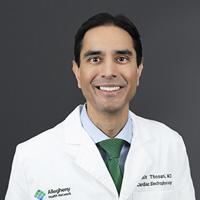
Director of Cardiac Electrophysiology
Clinical cardiac electrophysiologists
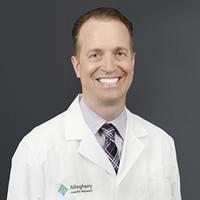
Electrophysiology Lab Director, AGH

Director of Electrophysiology Research and Innovation

Director of Ventricular Arrhythmia Program
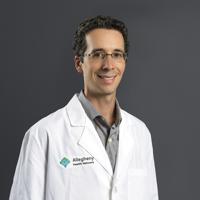
Electrophysiology Lab Director, Forbes Hospital

Director of Cardiac Implantable Device Clinic

Clinical Cardiac Electrophysiology
Clinical Cardiac Electrophysiology
Clinical electrophysiology advanced practice providers
Cardiac electrophysiology appointments
Knowing who to call to make the correct appointment depends on whether you have a current diagnosis. The AHN Cardiac Electrophysiology Program offers the following appointment scheduling options for:
Patients without a diagnosis
If you do not have a current diagnosis, call (412) DOCTORS 412-362-8677 to schedule an appointment with your primary care provider (PCP) to discuss your symptoms and concerns. If you do not have a PCP, you can use AHN Find Care to search for one near you.
Your PCP may refer you to a general cardiologist for more specialized care. If your PCP has already recommended you see a cardiologist, you can use AHN Find Care to choose a specialist close to home.
Those with a referral for cardiac electrophysiology or looking for a second opinion
If you have been diagnosed with a heart rhythm problem or are looking for a second opinion from an AHN electrophysiologist, you can speak with a member of our care team by calling 412-359-3457.
Cardiovascular research
The AHN Cardiovascular Research Institute is established on more than 100 years of innovation with diverse areas of focus, including research for the latest heart disease treatments and cardiac technology. Our qualified team and heart rhythm specialists take pride in using state-of-the-art devices, technology, and therapies to help revolutionize care for cardiovascular disease.
Clinical trials are special research opportunities that explore medical treatments, strategies, or devices to ensure they’re safe and effective for human use.
Active cardiovascular clinical trials
By prioritizing research and innovation, our physicians and patients are engaged in more than 100 national and international clinical trials. Participating in these trials gives AHN patients special access to some of the newest potential treatment options for cardiovascular disease and aortic disease. Participation in clinical trials is based on meeting eligibility criteria.
To express interest in a clinical trial or to learn more about research opportunities, check out our active cardiovascular clinical trials.
How to refer your patient to the AHN Cardiovascular Institute
If you are not associated with AHN and would like to refer your patient to an AHN Cardiovascular Institute specialist for any reason, you can do so by:
- Finding the AHN clinical cardiac electrophysiologist you’re looking for and submitting an online patient referral from the doctor’s profile on AHN Find Care.
- Calling the AHN Physician Access Center at 844-MD-REFER 844-637-3337 to verify the specialist’s availability and complete a referral.
If you have any questions about independent physician referral, find answers to frequently asked questions.
After referring your patient
Once your patient is receiving care from an AHN specialist, you can view their test results, see their treatment plan, follow their treatment progress, and collaborate with our team using the EpicCare® Link™ platform.
If you are new to EpicCare Link, or need to request your own EpicCare Link account, read: EpicCare Link for Patient Follow-up, for user instructions and new account request forms.
When EpicCare Link is not an option for a patient's AHN medical records
If you can’t access your patient's AHN test results through the EpicCare Link platform, your patient will need to complete and submit the correct AHN Medical Records Release form, based on their state of residency. Support your patient’s request by downloading the correct medical records release form for them:
AHN Medical Records Release Form for New York state residents
EpicCare® is a registered trademark of Epic Systems Corporation and used with permission.
EpicCare® Link™ is a trademark of Epic Systems Corporation and used with permission.