

Learn more about our appointment options, second opinions, locations, referrals, and resources that are at your disposal.

Neuro-Oncology Center of Excellence
Neuro-Oncology Cancer Center of Excellence
At the AHN Cancer Institute’s Neuro-Oncology Center of Excellence, we offer some of the newest, most innovative care for patients with benign brain tumors and malignant brain tumors. Our comprehensive team of neurosurgeons, neuro-oncologists, radiation oncologists, supportive care physicians and nurse navigators work together to treat complex brain tumors such as gliomas, meningiomas, brain metastasis and spinal tumors. Our goal is to deliver a customized treatment plan that allows patients with brain/spine tumors to live better and live longer.
Our experienced team of brain cancer specialists includes:
- Neurosurgeons
- Neuro-oncologists
- Medical oncologists
- Radiation oncologists
- Supportive care physicians
- Neuro-pathologists
- Radiologists
- Oncology pharmacists
- Nurse navigators
- Physical therapists
- Occupational therapists
- Genetic counselors
- Care managers
What is neuro-oncology?
Neuro-oncology is a specialized field of medicine that focuses on the diagnosis, treatment, and research of cancers affecting the nervous system. This includes tumors of the brain, spinal cord, and peripheral nerves. Neuro-oncology also includes the research and management of cancer treatment side effects and how to best support patients.
What does a neuro-oncologist do?
A neuro-oncologist is a dedicated medical specialist who focuses on diagnosing and treating cancers affecting the brain, spine, and nerves. They create personalized treatment plans, often combining chemotherapy, targeted therapies, and clinical trials to fight your specific tumor. Crucially, they also manage symptoms to improve your quality of life throughout treatment and provide ongoing monitoring and support. Their goal is to offer comprehensive, cutting-edge care to help you navigate your cancer journey.
The country's leading brain cancer organizations have recognized the AHN Cancer Institute for our high-quality care, research, clinical trials, and positive outcomes. Some of the many prestigious organizations that have acknowledged us include:
- American College of Surgeons Commission on Cancer as an Integrated Network Cancer Program
- The American College of Radiology
- The American Society for Radiation Oncology
Advanced techniques
At the AHN Neuro-Oncology Center of Excellence, we work with you to tailor a comprehensive treatment plan that meets your specific needs. Your team of brain cancer specialists may use a single treatment option or a combination of therapies to give you the best results possible. We use cutting-edge approaches to treatment including:
- State-of-the-art brain surgery: Using minimally invasive techniques, approaches, and technology.
- Innovative medicines: Our team works together to ensure minimal side effects. Cancer therapies and medications are continually updating with research.
- Advanced radiation therapies: Advanced radiation therapies use highly focused and precise radiation delivery techniques to target cancer cells more effectively while minimizing damage to surrounding healthy tissue.
- Advanced molecular testing: Using the tumor’s genetic makeup, advanced molecular testing works to target the invasive characteristics of the tumor.
Brain Tumor Multidisciplinary Clinic
The Neuro-Oncology Center of Excellence provides patients with diagnoses, innovative treatments, and access to ongoing clinical trials. We recognize that individuals who are recently diagnosed with a brain tumor need an expedited and comprehensive treatment plan. As a result, we have created an innovative Brain Tumor Multidisciplinary Clinic where patients can meet all members of their treatment team (such as neurosurgeons, radiation oncologists, neuro-oncologists, supportive care) during a single office visit. This approach improves our ability to deliver high quality and innovative treatment plans while minimizing the logistic burden to patients and their families. Being diagnosed with a brain tumor is hard enough. The last thing a patient or their family member needs to worry about is coordinating care amongst numerous subspecialists.
State-of-the-art brain cancer therapy
At the Neuro-Oncology Center of Excellence, you can access the most recent and innovative brain cancer care. Our team of specialists understands what it takes to treat brain cancer. We offer multiple forms of support, from diagnosis to recovery, through mental health services, nutrition counseling, rehabilitation, and genetic counseling.
We help treat primary brain tumors including:
- Gliomas
- Glioblastoma
- Astrocytoma
- CNS lymphoma
- Oligodendrogliomas
- Pilocytic astrocytomas
- Meningiomas
- Pituitary adenomas
- Vestibular schwannomas
We also provide treatment for brain metastasis and radiation necrosis.
Surgery
We use innovative techniques to help treat brain cancer, such as:
- State-of-the-art brain surgery: Our neurosurgeons have subspecialized in performing complex surgeries to remove benign and malignant tumors from the brain and spine. Utilizing minimally invasive techniques, our surgeons are able to remove tumors that were once thought to be inoperable. The use of awake craniotomies to preserve critical language function and physiologic motor mapping are just some of the techniques that we leverage to maximize tumor resection while improving symptoms. Our surgeons also leverage fluorescence-guided tumor resections in certain instances. The patient will receive an oral medication on the morning of surgery that makes certain brain tumors appear to glow in the dark, allowing our surgeons to remove cancerous portions of tumor that would otherwise be invisible to the naked eye.
- GammaTile Brachytherapy®*: Our surgeons were the first in Pennsylvania to implant radiation tiles at the end of a brain tumor resection. GammaTile Brachytherapy® allows patients to receive necessary radiation treatment to their brain tumor while recovering from surgery, sometimes minimizing the need to travel back to the hospital for postoperative radiation.
- Gamma Knife® Radiosurgery**: We have one of the busiest radiosurgical programs in the country, treating over 300 patients a year with minimally invasive radiation therapy (including Gamma Knife® Radiosurgery) for benign and cancerous tumors with minimally invasive radiation therapy for benign and cancerous brain tumors.
- Laser interstitial thermal therapy (LITT): This is a minimally invasive surgical procedure that treats certain deep-seated brain tumors with laser therapy. Through an incision about the width of your fingernail, patients with otherwise inoperable tumors can sometimes be treated and go home the day after surgery with LITT.
Innovative medicines
Our team of doctors, nurses, and pharmacists works with you to minimize side effects while maximizing the effectiveness of the drugs.
- Temozolomide (Temodar***): This chemotherapy drug is commonly used to stop or slow cell growth in certain types of brain tumors. It breaks DNA strands inside tumor cells, which slows or prevents their growth. You may experience side effects, such as constipation, nausea, and fatigue.
- Immunotherapies such as immune checkpoint inhibitors: These new medications can train your immune system to directly fight your cancer. Examples include pembrolizumab (Keytruda) and nivolumab (Opdivo).
- Bevacizumab (Avastin): This cancer therapy targets blood vessels created by cancers to grow and spread, both potentially treating the disease and improving symptoms.
- Targeted oncologic agents: Often guided by our next generation sequencing testing, newer agents targeted at specific driving mutations in cancer can often be very effective. Some examples include BRAF and MEK inhibitors for various tumors harboring MAPK pathway alterations, BTK inhibitors for lymphoma, and IDH inhibitor vorasidenib for certain gliomas.
Advanced radiation therapies
We use advanced technologies to target the radiation beam directly to a tumor. This approach minimizes overall exposure and results in a more precise treatment and less harm to healthy tissue. The Cancer Institute is the only radiation oncology network accredited in western Pennsylvania by both the American Society for Radiation Oncology and American College of Radiology. These accreditations mean that our facilities meet specific guidelines for patient safety, quality control, and equipment performance.
Providers who are part of our AHN Radiation Oncology Division use advanced imaging to optimize the radiation dose and precisely target radiation beams to the tumor. Types of radiation therapies include:
- Intensity-modulated radiation therapy (IMRT): IMRT is an advanced form of 3D-CRT that uses computer-controlled linear accelerators to deliver highly precise radiation doses. It shapes the radiation beams to conform very closely to the tumor, allowing different doses to be delivered to specific areas within the treatment volume while sparing nearby healthy tissues.
- Volumetric arc radiotherapy (VMAT): This radiation therapy technique that delivers a precisely sculpted dose of radiation to a tumor in a single, continuous rotation around the patient. This allows for faster treatment times and helps to spare healthy tissues around the tumor.
- 3-D conformal external-beam radiation therapy (3DCRT): 3DCRT uses advanced imaging to create a 3D map of the tumor and then shapes the radiation beams to match the tumor's exact contours. This helps to deliver a precise dose to the tumor while minimizing exposure to surrounding healthy tissues.
- MR-Linac: This technology allows doctors to view tumor tissue in real time and adjust the radiation dose during the treatment.
- Stereotactic radiosurgery (SRS): We pioneered this advanced radiation therapy technique. It has dramatically improved our ability to control the growth of tumors. This method delivers high, effective doses of radiation in only one to five treatments.
Innovative device
The Optune®**** device is a noninvasive FDA-approved therapy slows the growth of brain cancer cells without harming the surrounding healthy tissue. The physician places electrodes on the scalp, connected to a portable electric field generator that delivers low-intensity electric fields, targeted directly at the tumor. The device must be used for 18 hours per day to see the best results. You can put the generator in a small bag or backpack and use it while you go about your normal activities.
Advanced molecular testing
We have developed our own Next Generation Sequencing panel, the AHN Pan-Cancer Panel, giving us advanced diagnostic capabilities and the potential to personalize treatment and clinical trial discussions based on molecular alterations unique to your disease.
Dedicated navigation team
Our navigation team includes highly trained nurses, financial advocates, and other supportive care professionals to help plan your care. Our nurse navigators can help explain your treatment to you and your family, schedule appointments, coordinate your care from home, and provide you with emotional support throughout your cancer treatment journey.
We have a cancer nurse line dedicated to you and your loved ones. It's free to anyone, at any time, 24/7. Call 412-578-HOPE 412-578-4673 and a cancer nurse will answer your questions, schedule an appointment, and provide support. If you’re in Erie, call 814-452-HOPE 814-452-4673.
*
GammaTile Brachytherapy® is a registered trademark of GT Medical Technologies, Inc.
***
Temodar is a registered trademark of Merck Sharp & Dohme Corp.
****
Optune is a registered trademark of Novocure.
Neurosurgeons
The Neuro-Oncology Center of Excellence brings its group of leaders together regularly to discuss and decide on the right combination of therapies for you. We work with you to get an accurate diagnosis and create an effective treatment strategy based on your personal needs.
Neurosurgery
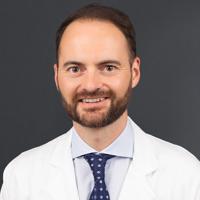
Primary and metastatic brain tumors

Primary and metastatic brain tumors
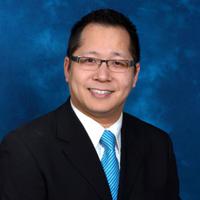
Skull Base Tumors
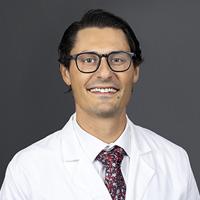
Skull Base Tumors
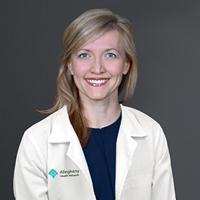
Pituitary Tumors
Use Find Care to see a list of neurosurgeons.
Radiation Oncology
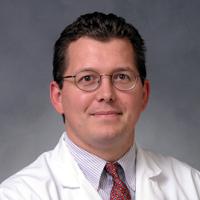
Radiation Oncologist

Radiation Oncologist
Use Find Care to see a list of radiation oncologists.
Neuro-Oncology
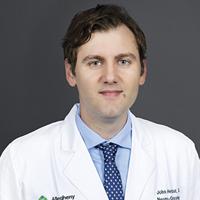
Neuro-oncologist

Supportive care physician
Use Find Care to see a list of neuro-oncologists.
Nurse Navigator
April DeWeese, RN
Nurse Navigator Lead
How to get care
If you want to be tested for or have been diagnosed with brain cancer, we’re here to help. The Neuro-Oncology Center of Excellence provides personalized care that meets your specific needs. We understand that battling cancer is more than just treating the body. That’s why we offer a holistic approach to your care from diagnosis to treatment.
To schedule an appointment with AHN Neuro-Oncology, please call our Nurse Navigator Lead, April Deweese, at 412-359-6363.
What to expect from your first appointment
Your nurse navigator and support professionals will guide you through the process, and doctors will explain everything and answer any questions you or your loved ones have.
After your referral, our team will determine the best course of treatment you. For patients who need multiple specialists involved, on the day of your appointment, you may meet with a neurosurgeon, radiation oncologist and neuro-oncologist, and our nurse navigator. Prior to your appointment, your treatment team has a conference to discuss the best treatment plan for you. During your visit, this plan is reviewed with you and your family. Other tests and/or procedures may be recommended.
Our locations
Visit our locations page to find a Cancer Institute location near you.
Clinical trials and research
The AHN Cancer Institute is a member of both the Eastern Cooperative Group (ECOG) and the NRG Oncology consortium to bring international multicenter advanced clinical trials to our patients. We also work with pharmaceutical companies and other research groups to offer cutting-edge research here. AHN researchers are always investigating more effective ways to fight cancer.
The plan for the trial, called a protocol, explains what the trial will do and how the study will be done. Based on the questions the research is trying to answer, each clinical trial protocol outlines specific criteria necessary to be eligible to join the trial.
Common criteria for entering a trial are:
- Having a certain type or stage of cancer.
- Having received a certain kind of therapy in the past.
- Being in a certain age group.
Federal rules help ensure that clinical trials are run in an ethical manner, with your rights and safety protected. It’s to ensure that you’re not put at increased risk by participating in the trial, and that the results of the study are accurate and meaningful.
Brain cancer clinical trials and research
Clinical trials offer eligible patients who volunteer to participate, new options for cancer treatment with novel uses of medications, radiation or surgical techniques with the goal to improve cancer treatment as a whole.
You can discuss available active clinical trials with any of your brain cancer specialist providers and determine your eligibility to participate.
Currently active brain tumor clinical trials at AHN include:
- A Phase 3 Randomized Controlled Trial of Post-Surgical Stereotactic Radiotherapy (SRT) versus Surgically Targeted Radiation Therapy (STaRT) with GammaTile for Treatment of Newly Diagnosed Metastatic Brain Tumors. Sponsor: GT Medical Technologies.
- A Multicenter Observational Study of GammaTile™ Surgically Targeted Radiation Therapy (STaRT) in Intracranial Brain Neoplasms.
If you would like to participate in a clinical trial and help our innovative team discover groundbreaking cancer solutions, ask your doctor if you’re eligible to participate in one. You can also find currently active brain cancer clinical trials that are open for participation.
Refer your patient to an AHN specialist
There are two ways for medical professionals, who are not a part of Allegheny Health Network, to refer their patients to an AHN specialist and request their first appointment. You can:
- Call (412) 578-HOPE (412) 578-4673 to speak with an AHN Cancer Institute scheduling coordinator.
- Go to Find Care to find the right AHN specialist and the most convenient location. Then refer your patient, provide relevant patient details, and request an appointment directly from the doctor’s profile.
For more information about referring your patient to an AHN specialist, read the Independent Physician Referral FAQs.
After referring your patient
Once your patient is receiving care from an AHN specialist, you can view their test results, see their treatment plan, follow their treatment progress, and collaborate with our team using the EpicCare® Link™ platform.
If you are new to EpicCare Link, or need to request your own EpicCare Link account, read: EpicCare Link for Patient Follow-up, for user instructions and new account request forms.
When EpicCare Link is not an option for a patient's AHN medical records
If you can’t access your patient's AHN test results through the EpicCare Link platform, your patient will need to complete and submit the correct AHN Medical Records Release form, based on their state of residency. Support your patient’s request by downloading the correct medical records release form for them:
AHN Medical Records Release Form for New York state residents
EpicCare® is a registered trademark of Epic Systems Corporation and used with permission.
EpicCare® Link™ is a trademark of Epic Systems Corporation and used with permission.