

Learn more about our appointment options, get a second opinion, find a convenient location, request a referral, and get additional support resources.

AHN Mechanical Circulatory Support Program
Mechanical circulatory support (MCS) uses machines to help your heart pump blood so it can rest and recover. MCS can either help your heart pump blood or completely take over some of its functions. This support can help you stay alive until a heart transplant or other treatment is available.
If you have been told that your heart condition requires mechanical circulatory support to help it pump blood, the AHN Mechanical Circulatory Support Program offers many treatment options from an experienced and highly specialized team who can perform the right treatment for your unique situation.
Appointments
Mechanical Circulatory Support Program
(412) DOCTORS
The goal of mechanical circulatory support is to temporarily or permanently support a failing heart. Each patient comes with a unique set of circumstances, so our team offers a variety of MCS devices to meet those needs, whether it be to briefly support blood flow to allow the heart to recover from disease, or provide more long-term support that allows a person to live independently with an improved quality of life.
Depending on the severity of illness and extent of your heart failure, we offer the following MCS therapy options:
- Temporary mechanical support: This is a category of catheter-based MCS devices reserved for severely ill heart failure patients that require hospitalization and have signs of shock: meaning the heart is not supporting the requirements of the body. This strategy can allow time for the heart to recover from an acute illness or provide time for our team of experts to decide on the best treatment options thereafter, such as LVAD or transplant.
- Short-term LVAD support: Surgically placed left ventricular assist devices (LVADs) can provide improved survival and quality of life for patients who may require a bridge to transplant. This may also be the best option for patients for whom transplant eligibility is limited by other medical problems or processes.
- Sequential MCS therapy: AHN is one of a few centers in the country offering this option, which involves starting treatment with one MCS device and transitioning to a different one later. This can be either in preparation for a transplant or for ongoing long-term support.
- Long-term LVAD therapy: This is a durable solution where an LVAD device takes over the job of the heart when it cannot recover on its own, and heart transplant is not a viable option. This option allows patients to discharge from the hospital and live their life with expectations to return to a normal quality of life with the assistance of our LVAD team.
A multidisciplinary approach to MCS care
Our programs and services include a multidisciplinary care team with cardiologists, cardiothoracic surgeons, advance practice providers, nurses, pharmacists, nutritionists, and social workers. We offer a wide range of customized treatment options, provide patient education and management for all heart failure patients, and collaborate to identify the best possible course of treatment for each patient.
Heart failure treatment with mechanical circulatory support therapies
Heart failure means your heart can’t pump enough blood to meet your body’s needs. Mechanical circulatory support (MCS) is like giving your heart a temporary or permanent helping hand. It’s usually used for serious cases of heart failure like:
- Left-sided heart failure: This happens when the left side of your heart, which pumps blood to your body, is weak. Left-sided heart failure can cause shortness of breath and fatigue.
- Right-sided heart failure: This happens when the right side of your heart, which pumps blood to your lungs, is weak. Right-sided heart failure often causes swelling in your legs and abdomen.
- Combined (biventricular) heart failure: This happens when both sides of your heart are weak and is often the most severe type of heart failure that benefits from MCS.
Regardless of which side of your heart is weak, MCS may be a good option to keep you alive while your heart recovers or until you can get a transplant.
MCS therapies
Because there are several types of MCS therapies, they work best for different situations. There are permanent MCS therapies including ventricular assist devices and temporary MCS therapies like extracorporeal membrane oxygenation (ECMO) and intra-aortic balloon pump (IABP).
Permanent MCS options
Ventricular assist devices (VADs)
A ventricular assist device helps your heart pump blood by taking on some of the workload. Some VADs help one side of the heart and others help both sides. It’s connected to your heart and a battery pack you carry outside your body. VADs are best for people with severe heart failure that isn’t responding to other treatments. These patients may have very weakened heart muscles and are extremely short of breath or fatigued.
A ventricular assist device can be used as short term or long term therapy. This means it can be a temporary solution while you wait for a heart transplant or a durable option if heart transplant is not the right option for you.
The Heart Mate 3 – LVAD
AHN uses the HeartMate 3 left ventricular assist device, which is implanted in the chest to help patients with severe heart failure. HeartMate 3 is the only commercially available durable LVAD available. It’s used in patients with severe heart failure who aren’t candidates for a heart transplant or whose heart can’t recover on its own.
Temporary MCS options
Extracorporeal membrane oxygenation (ECMO)
ECMO is a life-support machine that completely takes over the job your heart and lungs normally do for a short time. Your blood is pumped outside your body, given oxygen, and then returned to your body. ECMO is like a temporary artificial heart and lung and is used in critical situations where both your heart and lungs are failing.
ECMO helps people who have sudden, severe heart or lung failure. This can happen after a major heart attack, massive lung infection, or severe influenza. It’s usually a short-term solution that lets the body rest and recover. It can also buy time for a heart transplant or other treatment. ECMO is a very intensive treatment that requires a hospital stay in an intensive care unit.
Intra-aortic balloon pump (IABP)
IABP is a flexible tub with an inflatable balloon that’s inserted into a major artery in your leg and threaded to the main artery leading from your heart. The balloon inflates and deflates in time with your heartbeat, which helps the left ventricle and improves blood flow.
IABP is best for people who have a sudden and serious weakening of their heart function, which usually happens after a large heart attack. IABP provides short-term support, usually just for a few days, while the heart is recovering or before more permanent support is put in place. There are some people who shouldn’t get an intra-aortic balloon pump, including those with aortic aneurysms, aortic dissection, or aortic regurgitation, also called leaky aortic valve.
Impella®
This is a tiny pump about the size of a pen that’s inserted into the heart through a small incision in the groin or shoulder. The pump pulls blood from one of the heart’s ventricles and pumps it directly into the largest artery leaving the heart. It’s used in patients who need short-term support after experiencing a significant drop in heart function. It’s used before or after heart surgery to help stabilize the patient and provides a less invasive way of temporarily helping with heart function than the larger pumps.
TandemHeart®
This catheter-based, temporary heart support pump is reserved for those patients in the intensive care unit suffering from shock, or extreme deficiency in heart output. It may be used in specific situations such as critical valve narrowing, as a bridge to surgery, transplant, or other appropriate device therapies.
Which MCS therapy is best for you?
Not all of these therapies are best for your specific situation. Your age, existing medical conditions, and other criteria may make you a better candidate for some therapies than others. The evaluation process helps our team determine the best option for your plan of care. Our team is here to support you and answer all of your questions throughout the entire process.
Impella® is a registered trademark of ABIOMED and used with permission.
TandemHeart® is a registered trademark of LivaNova, Inc. and used with permission.
Meet our mechanical circulatory support specialists
Our team includes heart surgeons with expertise in aortic surgery, robotic heart surgery, and heart transplantation, as well as cardiovascular specialists with expertise in heart failure, amyloidosis, and mechanical circulatory support.
The AHN Mechanical Circulatory Support Program is led by:
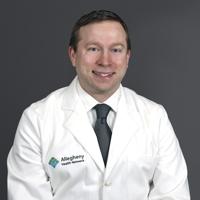
Director, Mechanical Circulatory Support Program
And includes:
Cardiovascular Surgeons

Chair, Cardiovascular Institute
Chair, Department of Thoracic and Cardiovascular Surgery
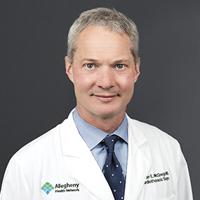
Director, Division of Cardiac Surgery
Director, Robotic Heart Surgery

Surgical Director, Heart Transplant Program

Surgical Director, CTEPH Program

Co-Director, Aortic Surgery Clinic

Cardiac Surgeon
Cardiovascular Medicine and Heart Failure Specialists

Akshay Khandelwal, MD, MBS, FACC, FSCAI
Chair, Department of Cardiovascular Medicine
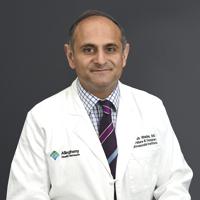
Co-Director, Division of Heart Failure

Regional Medical Director, CVI East
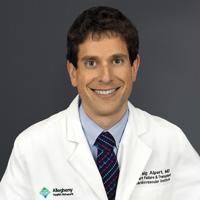
Director, Amyloidosis and Hypertrophic Cardiomyopathy clinics
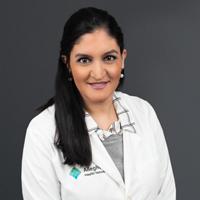
Director, Heart Failure Fellowship Program

Director, Heart Failure Care Model

Co-Medical Director, Cardiac Intensive Care (CICU) Cardiac Telemetry
Nael Aldweib, MD
Director, Adult Congenital Heart Disease
Ventricular assist device coordinators
- Patricia Livingston, DNP, RN, PCCN
- Laura Lynn, BSN, RN, CCRN
- Madelyn Warntz, BSN, RN, CCRN
Additional specialists
The AHN Mechanical Circulatory Support Program gives patients access to additional specialties, including:
- Dietitians
- Financial coordinators
- Pharmacists
- Social workers
- Supportive care specialists
- Transplant nurse coordinators
Knowing who to call to make the correct appointment depends on whether you have a current diagnosis. The AHN Mechanical Circulatory Support Program offers the following appointment scheduling options for:
Undiagnosed
If you do not have a current diagnosis, call (412) DOCTORS 412-362-8677 to schedule an appointment with your primary care provider (PCP) to discuss your symptoms and concerns. If you do not have a PCP, you can use AHN Find Care to search for one near you.
Your PCP may refer you to a general cardiologist for more specialized care. If your PCP has already recommended you see a cardiologist, you can use AHN Find Care to choose a specialist close to home.
Those with a referral for mechanical circulatory support or looking for a second opinion
If you have been diagnosed with heart failure or are looking for a second opinion from an AHN cardiologist, you can schedule an appointment with our Mechanical Circulatory Program by calling our program coordinator at 412-359-6739.
The AHN Cardiovascular Research Institute is established on more than 100 years of innovation with diverse areas of focus, including research for the latest heart disease treatments and cardiac technology. Our qualified team and specialists take pride in using state-of-the-art devices, technology, and therapies to help revolutionize care for cardiovascular disease.
What is a clinical trial?
Clinical trials are special research opportunities that explore medical treatments, strategies, or devices to ensure they’re safe and effective for human use.
Active cardiovascular clinical trials
By prioritizing research and innovation, our physicians and patients are engaged in more than 100 national and international clinical trials. Participating in these trials gives AHN patients special access to some of the newest potential treatment options for cardiovascular disease and aortic disease. Participation in clinical trials is based on meeting eligibility criteria.
To express interest in a clinical trial or to learn more about research opportunities, check out our active cardiovascular clinical trials.
Refer your patient to an AHN specialist
Non-AHN providers can submit a referral by calling 844-MD-REFER 844-637-3337.
For more information about referring your patient to an AHN specialist, read the Independent Physician Referral FAQs.
After referring your patient
Once your patient is receiving care from an AHN specialist, you can view their test results, see their treatment plan, follow their treatment progress, and collaborate with our team using the EpicCare® Link™ platform.
If you are new to EpicCare Link, or need to request your own EpicCare Link account, read: EpicCare Link for Patient Follow-up, for user instructions and new account request forms.
When EpicCare Link is not an option for a patient's AHN medical records
If you can’t access your patient's AHN test results through the EpicCare Link platform, your patient will need to complete and submit the correct AHN Medical Records Release form, based on their state of residency. Support your patient’s request by downloading the correct medical records release form for them:
AHN Medical Records Release Form for New York state residents
EpicCare® is a registered trademark of Epic Systems Corporation and used with permission.
EpicCare® Link™ is a trademark of Epic Systems Corporation and used with permission.