

Know the Signs: Spotting Silent Heart Attacks
Published Dec 2, 2025
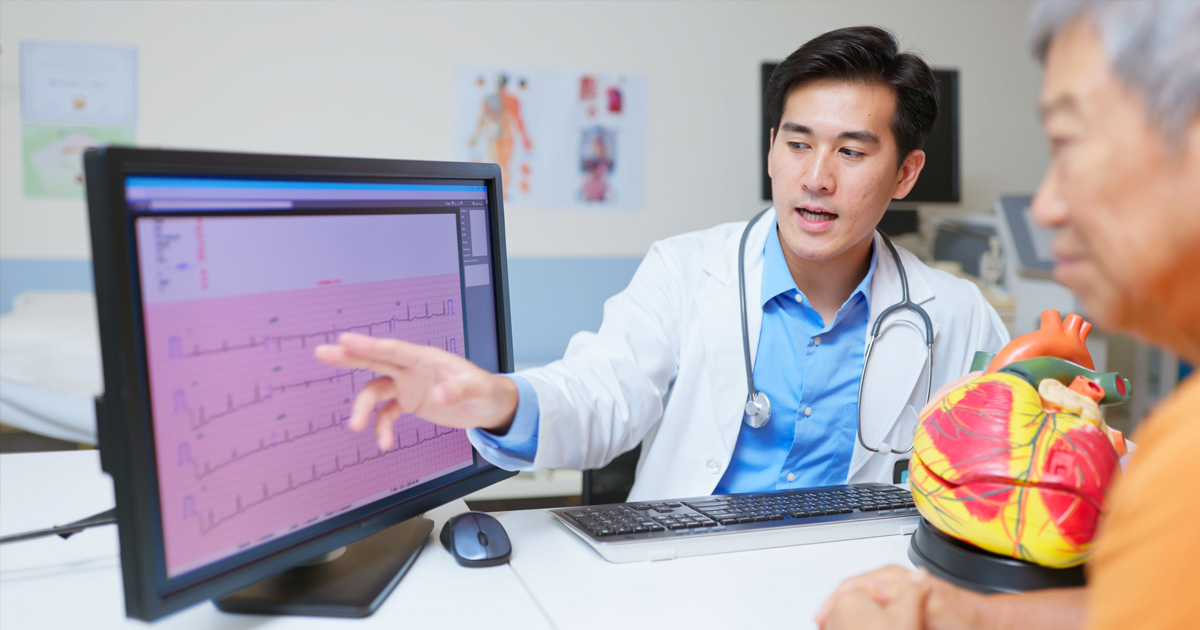
When people think of heart attacks, they often picture sudden, extreme chest pain. But not every heart attack looks like that. Silent heart attacks can happen with mild or unusual symptoms that are easy to miss.
AHN Allegheny Valley Hospital’s cardiovascular team is here to help you spot warning signs of a silent heart attack so you can protect your heart and stay healthy.
How to recognize a silent heart attack
A silent heart attack happens when blood flow to part of the heart is blocked, just like a regular heart attack, but without strong pain or other typical symptoms.
The signs of a silent heart attack can be subtle. You might notice:
- Jaw pain
- Back pain, often mistaken for a pulled muscle
- Abdominal pain that may seem related to something you ate
- Fatigue or extreme tiredness, even without physical activity
- Shortness of breath or dizziness during everyday activities
- Sudden cold sweat
- A feeling of impending doom
These symptoms can have other causes, but if they last for several hours or you’re unsure about them, you should go to an urgent care or emergency room right away to be evaluated. After being seen in the ER, you should follow up with your primary care physician (PCP) or cardiologist for ongoing monitoring and symptom management.
While silent heart attack symptoms feel mild, like regular heart attacks, they can still cause serious, life-threatening heart damage and increase the risk for another heart attack later on.
“Many people ignore their discomfort because they don’t want to seem dramatic,” said Venkatraman Srinivasan, MD, cardiologist with AHN Cardiovascular Institute at Allegheny Valley. “We’d rather patients be cautious and ask questions early than wait too long to get help.”
Who is most at risk?
Some people are more likely to have a silent heart attack. You may be at higher risk if you:
- Are overweight or don’t exercise regularly
- Smoke or use tobacco products
- Have a family history of heart disease
- Have high blood pressure or high cholesterol
- Have diabetes, which can damage nerves and make it harder to feel pain
Women ages 65 and younger and men ages 55 and younger with close relatives who have had heart attacks are at increased risk for silent heart attacks.
Heart attacks in women
Women and men experience heart attacks differently, and Women are more likely to have unusual heart attack symptoms like back or jaw pain or shortness of breath.
Some women may experience heart palpitations or heightened anxiety, or they may not have any symptoms at all, which can be very dangerous and lead to a late diagnosis or unexpected heart emergency.
It’s important for women to be aware of these risks and stay in tune with their symptoms and family history, to stay on top of their heart health and get timely treatment for silent heart attacks.
Cardiologists at Allegheny Valley can help you understand your risk level so you can be proactive in caring for your heart.
Evaluation and treatment
If your doctor thinks you may have had a silent heart attack, they may:
- Do an electrocardiogram (EKG) to look at the electrical activity of your heart and check for any scarring.
- Use an echocardiogram to take pictures of your heart.• Order blood and stress tests to measure how your heart is working.
- In more serious situations, perform a heart catheterization to diagnose a silent heart attack, which involves inserting a tube through your groin to access your heart and look for blockages.
Based on the evaluation, doctors at Allegheny Valley will determine the best treatment to stabilize you now and prevent more heart problems in the future. Some people may need a stent to open a blocked artery, or bypass surgery if several arteries are affected.
After treatment, your doctor may recommend supervised exercise and therapy programs to help strengthen your heart. Following your care plan closely is the best way to recover and prevent future heart problems.
Take charge of your heart health
Even when symptoms seem small, your heart health matters. Cardiologists at Allegheny Valley are here to listen, guide you, and provide the care you need. Learn more about evaluation and treatment for silent heart attacks at AHN Allegheny Valley Hospital.
Published Dec 2, 2025
Venkatraman Srinivasan, MD, is a cardiologist with AHN Cardiovascular Institute. He is skilled at cardiac catheterization, coronary angiogram, coronary angioplasty, peripheral artery disease, and structural heart disease. Dr. Srinivasan went to medical school at Chingelput Medical College in Chengalpattu, Tamil Nadu, India and Stanley Medical College in Chennai, India.
Allegheny Valley Hospital provides health care services, education, and support to more than 160,000 residents in portions of Allegheny, Butler, Westmoreland, and Armstrong counties.