

Improving Pain Management in Gynecologic Care
Published Mar 18, 2026
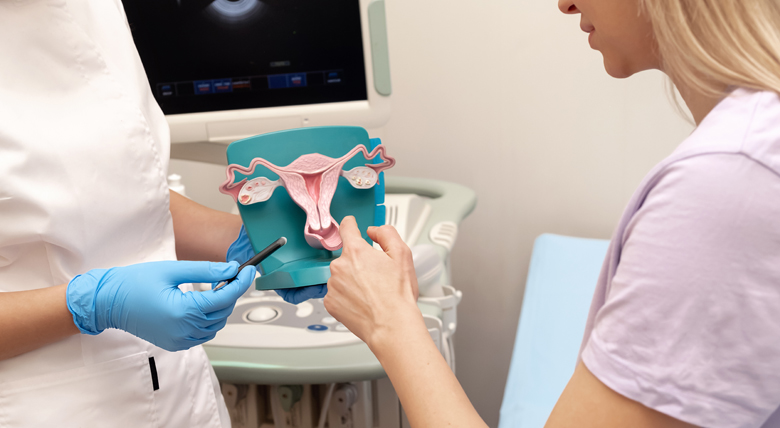
At AHN Women’s Institute, pain management during gynecologic procedures is foundational to women-centered care across the lifespan. Our specialists emphasize a patient-forward pain management approach that combines evidence-based interventions with transparent counseling and personalized planning.
Reducing distress with procedure- and patient-specific strategies
The latest recommendations from the American College of Obstetrics and Gynecology indicate that individualized pain management plans create more comfortable experiences for patients during in-office gynecologic procedures.
While the most significant discomfort occurs during procedures for some patients, others may require enhanced post-operative pain planning. Understanding these distinctions and recognizing that pain is subjective enables AHN providers to adjust strategies accordingly.
Pain management plans are tailored to both procedural complexity and patient-specific considerations, including:
- Anticipated pain levels or chronic pain conditions
- Anxiety levels
- History of trauma or intimate partner violence
- Medication profile and allergies
- Personal preference
- Prior procedural experience
“A patient-centered approach means having a conversation. If someone knows from experience what has helped them in the past, we talk through that thoughtfully,” said Tracy X. Chen, MD, an OB-GYN at AHN.
Moving beyond opioids with a multimodal approach
Pain management at AHN Women’s Institute is grounded in multimodal analgesia strategies designed to optimize pain control and support faster functional recovery. By integrating pharmacologic and non-pharmacologic interventions before, during, and after a gynecological procedure, Dr. Chen and team improve overall comfort and satisfaction while reinforcing patient autonomy.
“We’re shifting toward centering the patient and their experience,” said Dr. Chen. “Our role is to bring the evidence, offer options honestly, and support patients in making the best decisions for themselves.”
Patients are not only reassured that they may pause or stop a procedure at any time. They are also counseled clearly on what each modality is designed to address:
- Environmental considerations, including ceiling panels designed to create a calming visual focus, help reduce clinical harshness.
- Gabapentinoids and benzodiazepines can decrease the pre-procedure stress response for patients whose anxiety heightens their discomfort.
- Acetaminophen and NSAIDs reduce inflammatory-mediated pain and post-procedure cramping to support recovery without sedation or driving restrictions.
- Topical lidocaine decreases discomfort from speculum placement and surface cervical manipulation, improving tolerance for patients who find pelvic exams particularly uncomfortable.
- Paracervical blocks provide localized cervical anesthesia to reduce procedural pain during IUD insertion or biopsy without systemic side effects or the need for recovery time.
- Heat therapy relieves uterine cramping through muscle relaxation and increased blood flow to enhance comfort post-procedure.
By clearly defining expectations and combining therapies, AHN Women’s Institute delivers effective pain control aligning with broader public health efforts to reduce unnecessary opioid exposure. However, that commitment to opioid stewardship does not a mean a rigid or one-size-fits-all approach. Pain management plans remain flexible and personalized based on patient needs, preferences, and clinical context.
Integrating regional anesthesia techniques for targeted pain relief
For select patients and higher-acuity scenarios, advanced regional anesthesia techniques such as TAP blocks, erector spinae plane blocks, and neuraxial anesthesia may be considered in the appropriate setting. These approaches can significantly reduce immediate procedural pain and minimize systemic medication requirements.
Dr. Chen emphasizes the need to balance clinical benefit with practicality, including recovery time, transportation requirements, insurance coverage, and potential out-of-pocket costs. This pragmatic yet patient-focused framework ensures advanced options are considered when appropriate, without defaulting to unnecessary escalation.
How to refer
AHN Women’s Institute serves as a specialized resource for patients who would benefit from enhanced counseling, multimodal pain planning, and a highly individualized approach. Call 412-362-8677 to refer a patient or learn more about comprehensive gynecological care at AHN.
Published Mar 18, 2026
About Tracy X. Chen, MD
Tracy X. Chen, MD, is a board-certified OB-GYN specializing in comprehensive reproductive health care. She has expertise in complex contraception, IUD insertion with pain control, family planning, and miscarriage management. Dr. Chen also focuses on abortion care, postmenopausal health, and sexual health. Her goal is to provide full-spectrum reproductive health care so that patients feel supported at all stages of life. Dr. Chen welcomes patients ages 14 and older.
About Women's Institute
The AHN Women’s Institute provides top-rated, innovative, and comprehensive care for women of all ages, offering clinical excellence across specialties including gynecologic oncology, maternal-fetal medicine, and minimally invasive surgery. With advanced technology, unique research, and a patient-centered approach, we deliver high-quality care, recognized by programs like the highly ranked Obstetrics and Gynecology Program at West Penn Hospital.