

Leading the Future of Lung Cancer Care at AHN Cancer Institute
Modified Sep 8, 2026
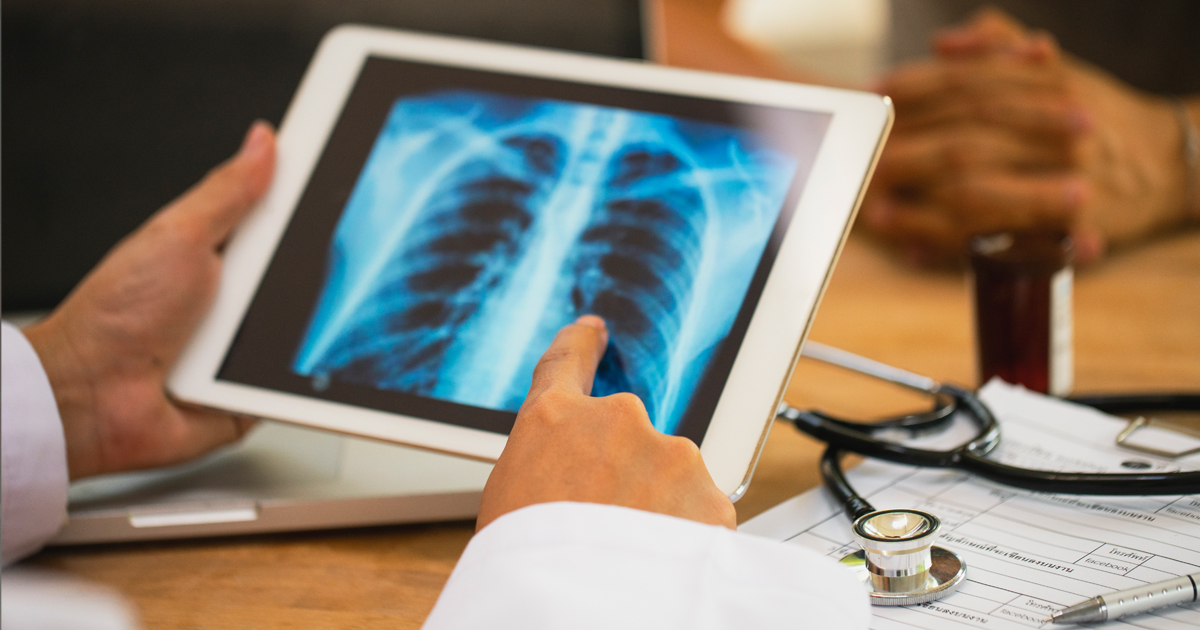
Lung cancer care is evolving rapidly with advances in screening, diagnostics, precision medicine, and clinical research creating new opportunities to improve outcomes. At AHN Cancer Institute's Lung and Pleural Cancer Center of Excellence, these innovations come together through a coordinated, multidisciplinary program designed to accelerate diagnosis, personalize treatment, and expand access to leading-edge therapies.
Earlier detection starts with LDCT screening
Because early detection is critical in lung cancer outcomes, AHN offers a comprehensive screening program that includes low-dose compute tomography (LDCT) scans and dedicated screening days where eligible high-risk individuals can receive an LDCT scan — no appointment needed.
Lung cancer screening with LDCT is intended for individuals who are at high risk but do not have signs or symptoms suggestive of lung cancer. While it is the preferred screening method for adults over age 50 with a history of smoking, a diagnostic chest CT is suggested for patients experiencing symptoms such as:
- Persistent cough despite treatment
- Hemoptysis
- Unexplained weight loss or loss of appetite
- Other concerning systemic symptoms
At AHN Cancer Institute, every lung cancer screening that identifies a potentially concerning finding is reviewed by a multidisciplinary team of specialists that meets weekly. This collaborative approach ensures that each case is evaluated from multiple clinical perspectives, allowing the team to develop personalized recommendations for additional testing, diagnosis, or treatment.
“Early screening, combined with the involvement of an integrated team from the start, ensures each patient receives the most appropriate care as soon as possible,” said Dr. Arial Lopez-Chavez, MD, medical oncologist at AHN Cancer Institute and director of AHN’s Precision Medicine and Developmental Therapeutics Cancer Clinic.
Next-generation tools for lung cancer diagnosis
AHN Cancer Institute continues to invest in advanced technologies and research to diagnose disease more accurately and less invasively.
Robotic navigational bronchoscopy
This minimally invasive procedure enables interventional pulmonologists to navigate the complex airway anatomy and access to difficult-to-reach peripheral lung nodules with greater precision than traditional bronchoscopy. When combined with advanced 3D imaging, physicians can confirm biopsy tools are positioned within the target lesion before obtaining tissue samples — increasing diagnostic accuracy and reducing the risk of complications.
Endobronchial ultrasound
During the same minimally invasive procedure, endobronchial ultrasound (EBUS) can be performed to evaluate and biopsy mediastinal and hilar lymph nodes. By enabling both diagnosis and accurate staging in a single procedure, EBUS helps streamline the diagnostic process, accelerate treatment planning, and allow patients to begin the most appropriate therapy sooner.
Liquid biopsy
Researchers at the AHN Cancer Institute are at the forefront of evaluating “liquid biopsy,” an emerging blood-based diagnostic approach for the early detection of lung and other cancers. The hope is for liquid biopsy to complement — or eventually replace — the need for CT-based screenings and diagnostic imaging. If proven effective, this technology would represent a significant advancement in cancer detection by providing a less invasive, highly accurate diagnostic tool.
Precise treatment through precision medicine
“Precision medicine has fundamentally changed the way we approach lung cancer,” said Dr. Lopez-Chavez. “When we look at lung cancer at the molecular level, we see that it’s not really one disease — it’s dozens.”Using molecular profiling to identify the unique genetic and molecular characteristics of a patient’s tumor, lung cancer specialists at AHN develop highly personalized treatment plans tailored to each individual’s disease.
This approach has expanded access to targeted therapies, including immunotherapy and treatments designed to identify specific genetic alterations that contribute to cancer growth. For some patients, treatment may consist of a pill that is more effective for their specific cancer and associated with fewer side effects than traditional chemotherapy.
“From comprehensive molecular profiling to the broad range of treatment options available, the program at AHN is exceptionally robust,” said Dr. Lopez-Chavez.
Expanding treatment options through clinical trials
AHN Cancer Institute continues to expand its clinical research program, giving eligible patients earlier access to investigational therapies that have the potential to become tomorrow's standard of care.
Through collaboration with molecular profiling partners, artificial intelligence is helping match patients to clinical trials more quickly. While enrollment and activation can often take four to six months, this innovative approach allows eligible patients to access potentially life-saving investigational therapies in as little as a few weeks.
“We’ve seen remarkable outcomes through the clinical trials,” said Dr. Lopez-Chavez. “In many cases, patients are able to access promising therapies before they become widely available following FDA approval, giving them opportunities might not have otherwise.”
AHN’s affiliation with Highmark Health also provides a unique opportunity to evaluate how new therapies perform in real-world clinical practice.
“It’s rare for a health system to be able to follow these therapies from early development through their use in thousands of patients in real-world settings,” said Dr. Lopez-Chavez. “These insights help us better understand treatment effectiveness and refine care to achieve the best possible outcomes for our patients.”
How to refer
To learn more or refer a patient to the Lung and Pleural Cancer Center of Excellence at AHN Cancer Center, visit Health Care Professionals at Allegheny Health Network. Our nurse navigators work closely with referring providers and patients to coordinate care, facilitate access to specialized services, and help ensure seamless care at AHN.
Published Sep 4, 2026
Modified Sep 8, 2026
About Arial Lopez-Chavez, MD
Arial Lopez-Chavez, MD is a medical oncologist with AHN Cancer Institute and the Director of Precision Medicine and Developmental Therapeutics Cancer Clinic. He specializes in the development of customized plans of care for patients with cancer. Dr. Lopez-Chavez went to medical school at Universidad Autónoma de Querétaro in Querétaro, México. He did his residency at University of Pittsburgh Medical Center in Pittsburgh, Pennsylvania and completed his fellowship in medical oncology at National Cancer Institute in Bethesda, Maryland. He is certified by the American Board of Internal Medicine in Medical Oncology. Dr. Lopez-Chavez has been key in the development of novel cancer treatment interventions and applies new technologies to improve outcomes and enhance patient experience. He sees patients ages 18 and older.
About AHN Cancer Institute
AHN Cancer Institute offers the latest innovations and treatments, and a navigation team to guide you through. The AHN Cancer Navigation Team is your advocate and single point of contact from day one of your cancer journey. They manage all the details, big and small, so you can focus on healing. When you have cancer, AHN is exactly where you want to be.