

Understanding Wound Care: From Minor Cuts and Sores to Advanced Treatments
Published Nov 3, 2026
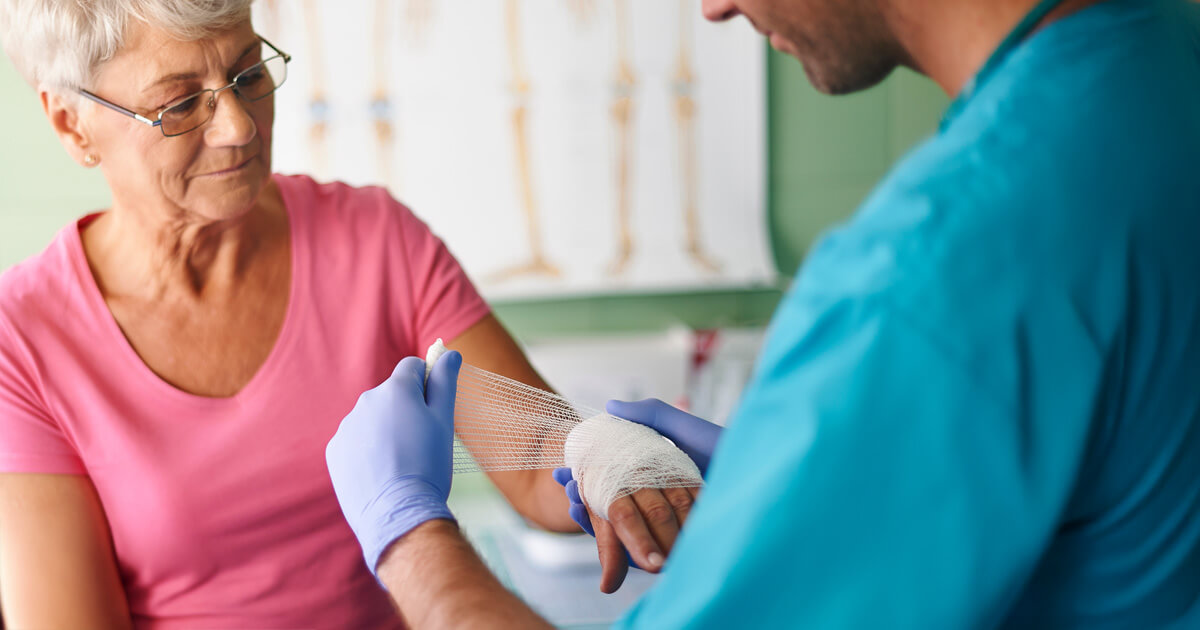
A scraped knee, a kitchen cut, or a blister that won't heal might seem like minor inconveniences. But when a wound lingers longer than expected, it can become more than just a nuisance. At AHN Westfield Memorial Hospital, wound care specialists help patients understand why wounds happen, how to care for them properly, and when advanced treatments may be needed to support healing.
The good news? Most wounds can heal successfully when they're treated appropriately and when underlying health issues are addressed. Whether you're dealing with a simple cut or a chronic wound, understanding the basics of wound care can help you prevent complications and know when it's time to seek expert help.
Not all wounds are the same
When most people think of wounds, they picture a cut or scrape. But wounds come in many forms, and some are much more complex than others.
Common types of wounds include:
- Minor cuts, scrapes, and abrasions
- Burns
- Surgical incisions
- Pressure injuries (sometimes called bedsores)
- Diabetic foot ulcers
- Venous ulcers caused by poor circulation
- Arterial ulcers caused by blocked blood flow
- Non-healing wounds that remain open for weeks or months
While many minor wounds heal on their own with proper care, chronic or non-healing wounds often require medical evaluation to identify and treat the underlying cause.
Some wounds need extra support
Wound care is about much more than putting on a bandage. Identifying and addressing the reason a wound developed is often just as important as treating the wound itself.
"Healing a wound is like putting together a puzzle," says Jillian Abata, a clinical nurse manager at AHN with 17 years of wound care experience. "Each piece plays an important role in completing the healing process."
Those pieces may include:
- Proper wound dressings
- Adequate nutrition and protein intake
- Managing swelling or edema
- Treating infection
- Improving circulation
- Relieving pressure on vulnerable areas
- Managing chronic conditions like diabetes
- Avoiding tobacco use
Who is at greater risk for chronic wounds?
Some people have a higher risk of developing wounds or experiencing delayed healing. You may be at increased risk if you:
- Have diabetes
- Are an older adult
- Have poor circulation or vascular disease
- Have a history of open ulcers
- Smoke or use tobacco products
- Have limited mobility
- Have other chronic medical conditions that affect healing
For these individuals, even a seemingly minor wound deserves close attention.
Minor wounds: Facts and myths about care at home
For minor cuts and scrapes, prompt first aid can help support healing and reduce the risk of infection. In general:
- Wash your hands before caring for a wound.
- Stop any bleeding by applying light pressure with a clean cloth or bandage.
- Clean the wound by rinsing it under cool running water.
- Apply a sterile bandage or non-stick dressing.
- Keep the wound clean and protected, and monitor for signs of infection.
However, Abata cautions, there are several common first aid missteps that patients and caregivers should avoid. For example, one of the biggest myths doctors and nurses encounter is the belief that hydrogen peroxide should be used on every wound.
"Hydrogen peroxide is very caustic to healthy tissue cells," she says. "Do not use hydrogen peroxide to clean your wounds unless advised by a wound-certified provider."
Another misconception is that wounds heal faster when they're exposed to air.
"Research tells us that dry cells within a wound are dead cells, and that wounds need a proper moisture balance for healing," Abata explains.
Warning signs that require medical attention
While many wounds heal without complications, some symptoms may indicate a more serious problem. Get immediate care if you develop:
- Redness spreading around the wound, or red streaks extending from the wound.
- Increasing pain, swelling, or pus drainage, or if the area around the wound feels hot to the touch.
- Systemic symptoms like fever, chills, body aches, or nausea/vomiting.
- A foul odor coming from the wound.
"Small, infected injuries can quickly become big health issues,” says Abata. “If you notice any of these signs, it's important to get care now.”
When specialized wound care may be needed
If a wound isn't improving with appropriate home care, specialized treatment may be recommended.
At the Wound Clinic at AHN Westfield Memorial Hospital, providers develop individualized treatment plans based on each patient's needs. This often begins with your care team taking a detailed medical history. Additionally, providers will test for underlying conditions or issues affecting your healing. These could include:
- Circulation problems
- Uncontrolled diabetes
- Venous disease or arterial disease
- An ongoing infection
- Nutritional deficiencies
During your first visit, your care team may also measure and photograph your wound so they can monitor your progress. They’ll provide you and your caregivers with education about your condition. And, they’ll evaluate whether advanced wound care therapies are needed for your recovery.
Advanced wound care options at AHN
Some wounds require more than traditional dressings. To aid in your healing, AHN wound care centers offer a range of advanced therapies, including:
- Advanced wound dressings that support a moist healing environment
- Punch and excisional biopsies
- Compression bandaging for venous disease
- Negative pressure wound therapy
- Total contact casting
- Wound debridement
- Skin substitute therapies
In addition, AHN Saint Vincent Hospital offers hyperbaric oxygen therapy for eligible patients.
Tips for preventing future wounds
Even after a wound heals, prevention is an important part of improving and maintaining your health.
Abata recommends:
- Quitting smoking, which can significantly slow healing.
- Managing diabetes carefully, including wearing diabetic footwear when recommended, and keeping regular appointments with your podiatrist.
- Using compression stockings if prescribed for venous disease, and replacing your stockings every six months.
- Avoiding prolonged pressure on vulnerable areas of the body. Bed sores and pressure ulcers can easily form where bones are close to the surface and skin gets regularly compressed against a bed, chair, or medical device. This includes pressure injuries that can form on the heels and tailbone from sleeping in a recliner.
Expert wound care close to home
The wound care team at AHN Westfield Memorial Hospital provides expert treatment for both simple and complex wounds. With highly personalized care, they’ll help you understand the factors that affect your healing and connect you with advanced treatment options that can put you on the road to recovery.
If you have a wound that isn't improving or you're concerned about your risk, talk with your PCP about whether a referral to an AHN wound care specialist may be right for you.
Published Nov 3, 2026
With 17 years of experience in wound care—including seven years in her current leadership role—Jillian Abata oversees specialized wound care, hyperbaric oxygen therapy, and ostomy services across multiple Allegheny Health Network (AHN) facilities, including AHN Saint Vincent, Union City, and Westfield Memorial. Nationally board-certified in wound care and ostomy management, Jillian is dedicated to clinical excellence, leading multidisciplinary teams focused on delivering compassionate, high-quality care and improving healing outcomes for patients with complex wounds.
Founded in 1942, AHN Westfield Memorial Hospital has served the people of western New York with quality care. As part of Allegheny Health Network, and affiliated with Saint Vincent Hospital, we continue to invest in new medical technology and additional health care services.